
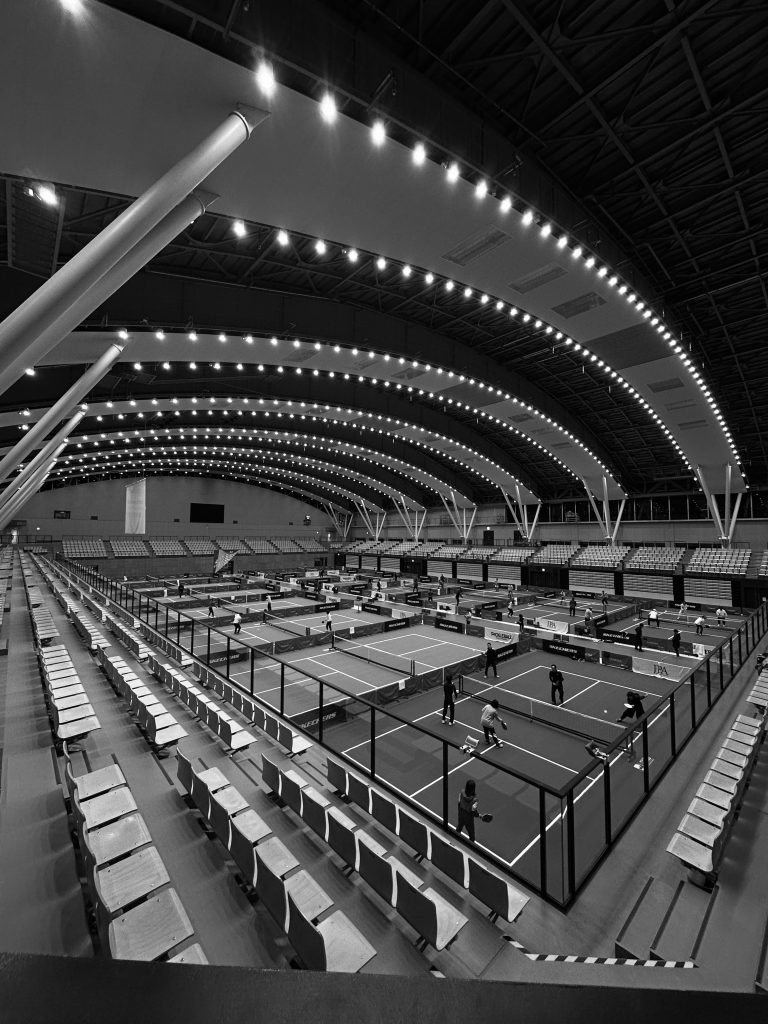

In what was meant to be a breakthrough year for professional pickleball’s global expansion, the PWR India League—scheduled to begin next week—has been postponed once again, this time to “the second half of the year” with no confirmed dates. This latest development adds to a growing pattern of uncertainty surrounding PWR (Pickleball World Rankings), raising serious questions about its legitimacy as an international pickleball operator and the future of the organisation itself.
The latest postponement has been attributed to “team owners wanting more time to understand the sport and players better” and avoiding conflict with the Indian Premier League (IPL). However, this explanation raises more questions than it answers, particularly given that team owners were never publicly announced.
The original vision
When PWR launched in July 2024 at a flashy exhibition event in Dubai, it presented what appeared to be a transformative opportunity for global pickleball. It was reported that The Times Group of India had made a significant multi-million dollar investment into what was announced as a comprehensive three-tier system:
- PWR World Series: Six marquee events planned for Dubai, Madrid, Las Vegas, and other locations to be determined with an announced combined prize pool of $9M+ USD (later revised to be three marquee events with a reduced prize pool of $1M+ per event)
- PWR World Tour: Individual events (PWR 400, 700, 1000) run by affiliated organisations in host countries
- PWR Indian Tour: Including the flagship PWR India League
The initial announcement generated considerable excitement, with a promised $15M USD total prize pool for 2025 — the largest ever seen in pickleball. PWR’s debut was nothing short of spectacular, featuring players on a court in front of Dubai’s iconic Burj Khalifa.
Subsequent events in India showcased production values previously unseen in pickleball, complete with illuminated walkout tunnels, professional photography, smoke effects, commentators, multiple camera angles, and even cheerleaders. The involvement of tennis legend Andre Agassi in a league launch event further added to PWR’s apparent legitimacy and ambition.
The presentation suggested PWR was ready to elevate pickleball to new heights of professional sports entertainment.
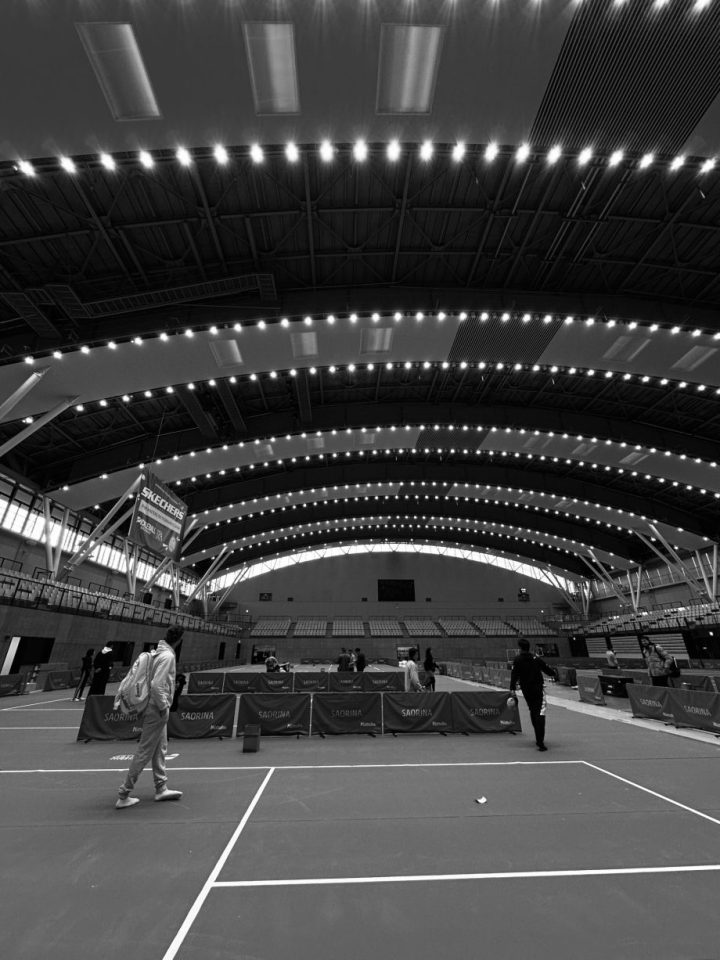
More significantly, PWR’s entry appeared to catalyse a transformation in the global pickleball landscape. Other organisations quickly followed suit, with entities like Global Sports and World Pickleball League (WPBL) announcing similar initiatives in the region.
What began as one league’s ambitious vision seemed to be sparking an international arms race to develop professional pickleball across Asia and beyond. This surge of interest and investment suggested a pivotal moment for pickleball’s global expansion. The sport appeared poised for significant growth in emerging markets, with India potentially becoming a new hub for professional pickleball.
However, the original $15M figure was later reduced to $4.5M, marking the first of many concerning changes that would affect not just PWR, but the broader momentum for global pickleball development.
Recent developments
Despite a lack of information and official communication to players/affiliates on many fronts, PWR continued to push forward with India League preparations as recently as last week. Players were asked to secure visas, provide jersey sizes, and make travel arrangements for an event scheduled to begin March 14—all while fundamental elements like flight bookings, accommodation details, and specifics around the tournament format and event venue remained unconfirmed.

This latest development follows months of concerning operational patterns.
The originally announced league structure, which promised positions for both premier and challenger players, was quietly abandoned without clear explanation. While team cities were announced, the crucial elements of team owners and names never materialised. There were also said to be team coaches who were brought on to draft and lead teams but subsequently received minimal communication about their roles or the league’s progress.
A pattern of concern
Since its inception, PWR has conducted or affiliated with events across the Asia-Pacific region, including tournaments in Hong Kong, India, Vietnam, Australia, and Japan. While players have generally received prize money, the pattern of payment, reimbursement, and overall transparency from PWR leadership has become increasingly concerning.
Events run directly by PWR left players facing significant delays in prize money distribution. More troubling is the situation faced by affiliated, non-PWR event organisers who are still awaiting reimbursement for substantial tournament expenses.
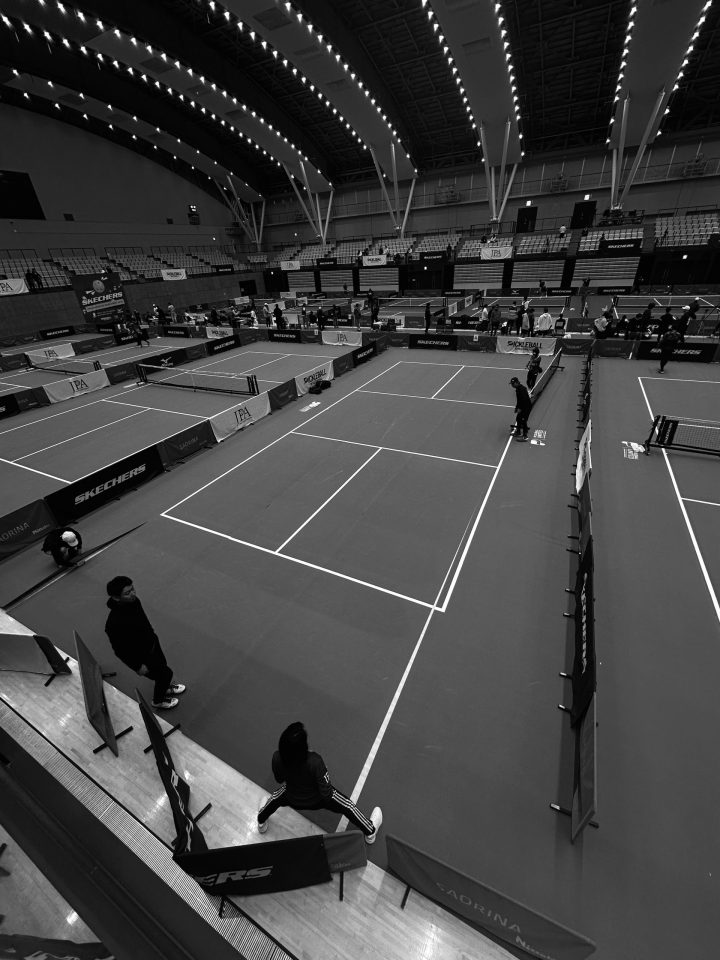
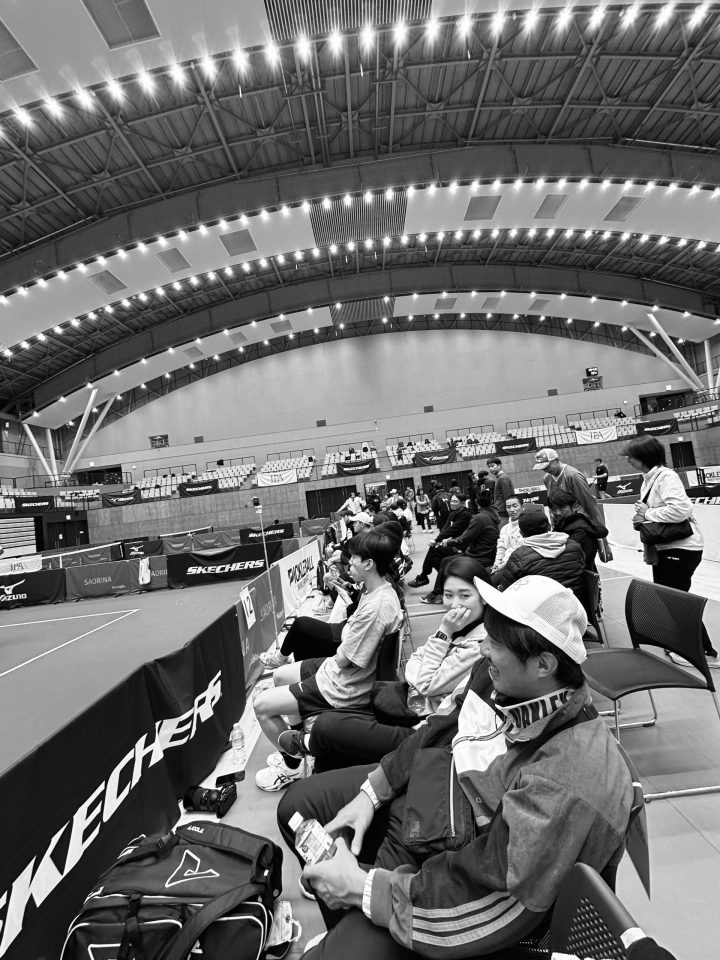
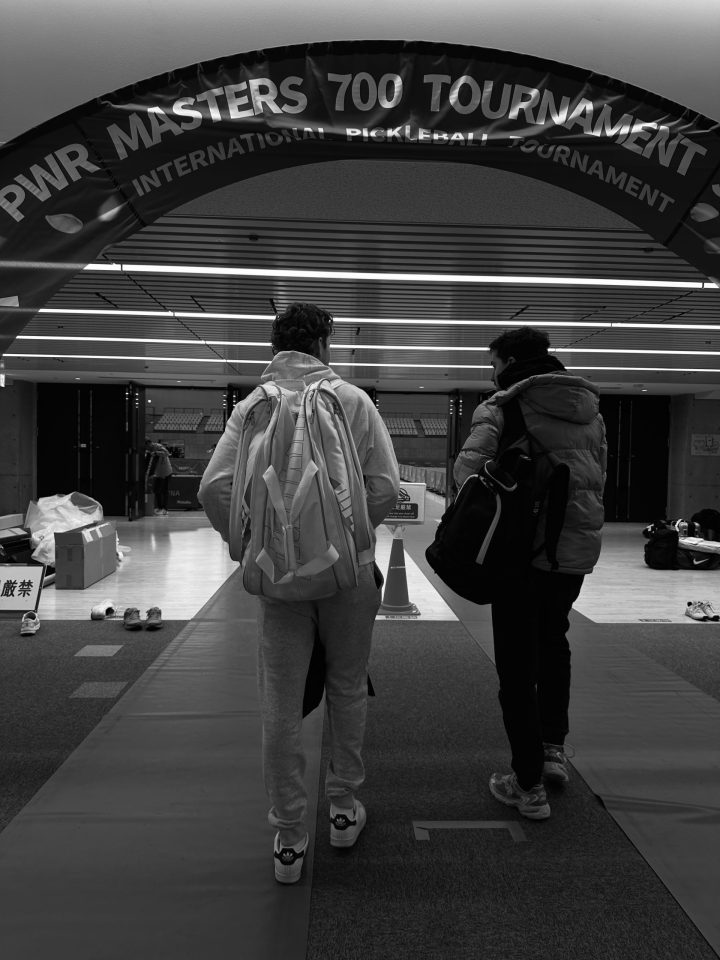
These organisations were required to make significant upfront investments to meet PWR’s tournament requirements, including offering specific prize money purses aligned with PWR tournament tiers, using PWR’s designated tournament software, Tournated, and importing specific court surfaces—as seen with the PWR Japan event, where organisers had to ship Pickleball United courts from India and arrange local storage.
The burden on local organisations is particularly significant, as many outside Australia and the US are hosting their first large international tournaments. Meeting the standards that professional players expect requires substantial resources, expertise, and community support. This learning curve, combined with PWR’s lack of transparent communication and delayed reimbursements, threatens the foundation of international collaboration in pickleball— particularly as these local organisations typically operate with limited resources and rely on community trust.
Impact on global pickleball
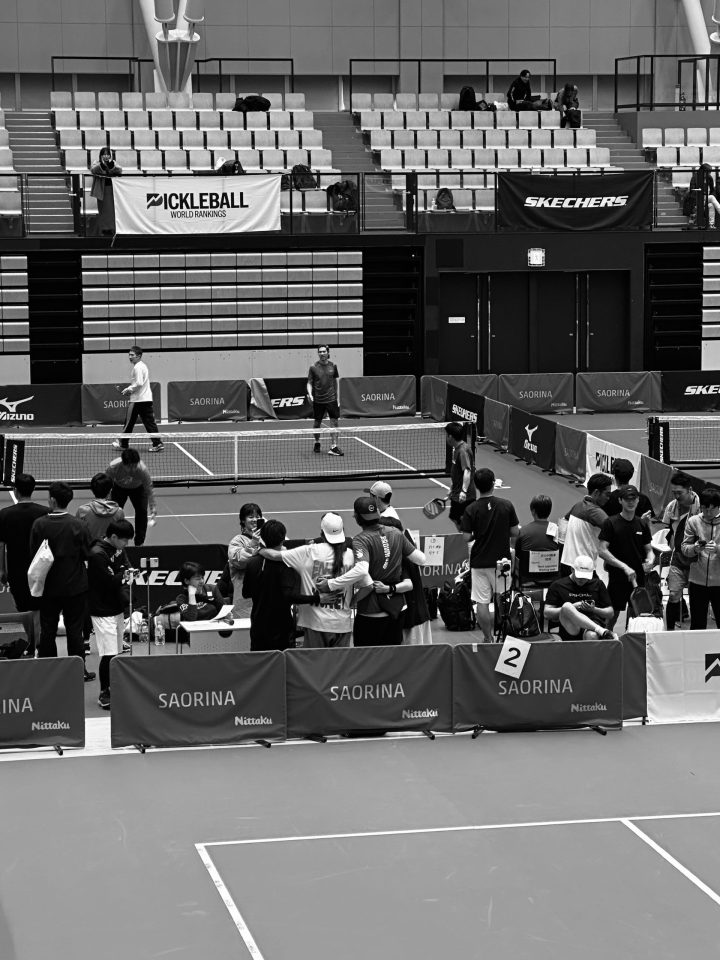
The implications of these developments extend far beyond immediate tournament postponements. Players who made big career decisions based on PWR’s promises face uncertain futures. Local organisations who invested significant resources and reputation now find themselves left in the dark, which could deter future international partnerships.
The situation highlights a concerning trend in pickleball’s rapid professionalisation. In the rush to capitalise on the sport’s explosive growth, some entities appear to be running before walking—launching ambitious initiatives before really creating sustainable foundations. This approach risks undermining the very essence of what makes pickleball special: its accessibility, community focus, and organic growth at the grassroots level.
Perhaps most concerning for the sport’s future growth is the potential impact on investor confidence. The PWR situation could make investors and sponsors hesitant to provide funding for pickleball ventures, particularly in emerging markets, which could hurt the sport’s professional development just as it was gaining momentum globally. Similarly, local organisations may now be more wary of partnering with global entities.
For emerging pickleball markets, particularly in Asia and Australia, this is not just a step backward for progress, but a potential threat to the authentic, community-driven growth that has historically characterised the sport’s expansion.
Outstanding concerns
As we process this latest setback, fundamental questions about transparency, accountability, and sustainable growth remain.
As of now, key questions left unanswered:
- Status of player contracts and commitments
- Reimbursement plans for expenses incurred
- Future of the PWR India League, World Series and World Tour events
- Support measures for affected local organisations
The latest postponement was attributed to “team owners wanting more time to understand the sport and players better” and avoiding conflict with the Indian Premier League (IPL). However, this explanation raises more questions than it answers, particularly given that team owners were never publicly announced.
With just days until the scheduled start of what was meant to be pickleball’s most ambitious professional league to date, we’re at a crossroads. The sport’s incredible grassroots growth and passionate community deserve better than ambitious promises without follow-through.
As the situation continues to develop, it’s a crucial reminder that sustainable global growth needs more than flashy presentations and big prize pools—it demands transparency, accountability, and genuine commitment to the sport’s development at all levels.
A personal note
Our decision to align with PWR was driven by multiple factors. Like many others, we saw 2025 as an opportunity to experience pickleball at an international level, competing alongside and learning from top players from around the world (and just having a chance to travel together while it’s accessible to us). PWR presented what appeared to be the best pathway for this while contributing to the sport’s global development.
Pickleball has enormous potential at both grassroots and global levels. While the professional scene will always exist—and feels far more accessible compared to many other sports—our vision has always extended beyond that. The current practice of international players flying in for a tournament, winning prize money, and heading home without further contributing to local pickleball development isn’t sustainable for genuine global growth. PWR had a unique opportunity to change this pattern by supporting local organisations and fostering lasting international connections.
The current situation is undoubtedly disappointing. Beyond the personal impact, we’re especially concerned for the incredibly hardworking people and organisations affected by these developments. People who really believed in this vision. Despite the disappointment on the PWR front, we are hopeful the pickleball community will find new ways to create meaningful opportunities for global competition and development that genuinely contribute to the sport’s growth in each region.
This is a developing situation. We will provide updates as official communications become available.
For more information about PWR and the events in Sydney and Japan, check out my previous post here! If you’re interested in other articles about PWR, check these out by The Dink, and The Kitchen.
Tati


