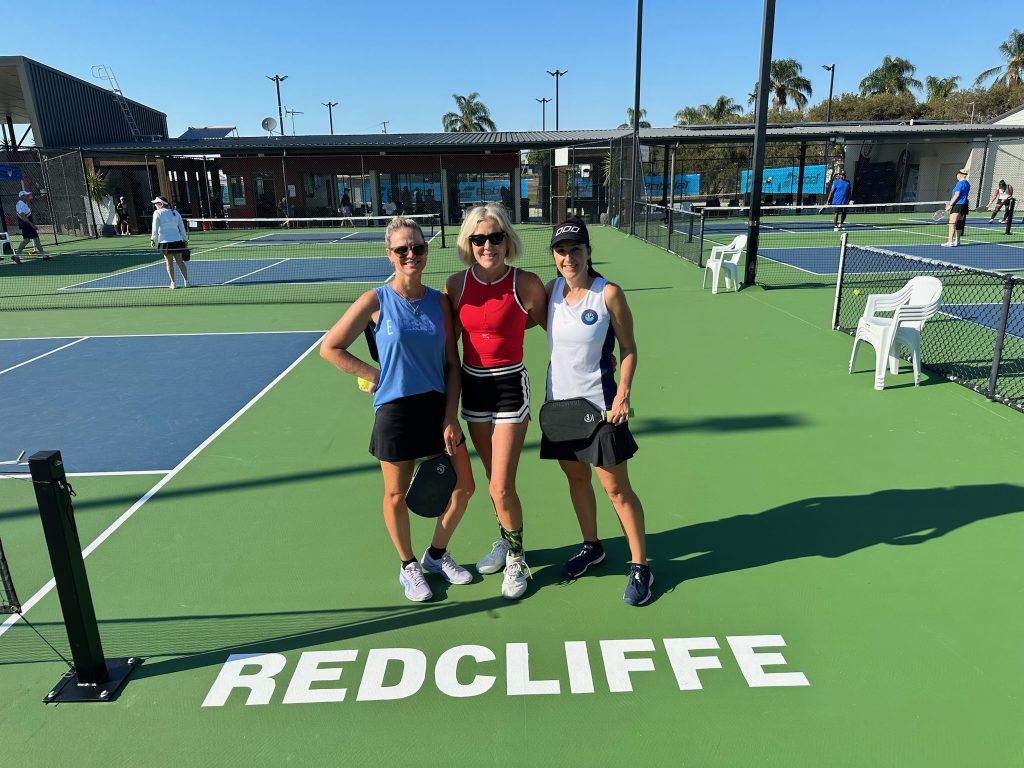

Pickleball is known as a game that brings people together. For Jeanette Ward Quinn, it’s become something far deeper— a lifeline through grief, a source of community, and a platform to inspire others in Australia’s growing pickleball scene.
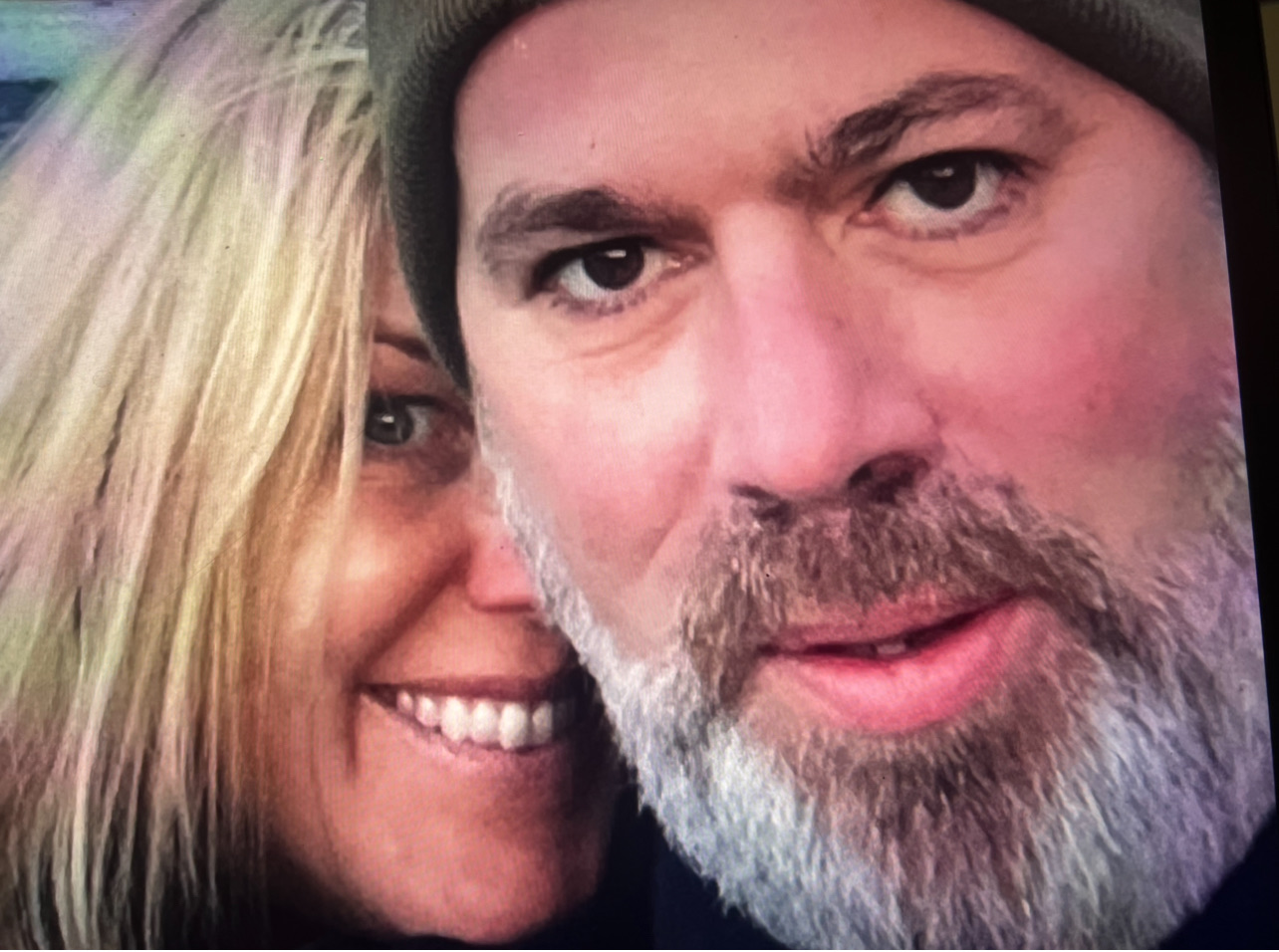
Jeanette’s journey into pickleball began with unimaginable loss. When she stepped onto a court for the first time with her husband Simon, she never imagined those few moments would become some of their last together. He passed away just a day after their second game, leaving her to navigate loss while discovering a new way to heal.
“We played on Sunday morning and the following Friday, just the two of us. He passed on Saturday, lunchtime,” she reflects. “I didn’t play for a little while then. I was in a really dark place, but I didn’t want to go in that hole. I thought to myself, ‘if I don’t do something now, I will die,’ so I picked myself up, dusted myself off and got to the leisure centre. And I started to play pickleball.”
Since that moment in 2022, Jeanette has become a prominent figure in Australian pickleball. She is a player, a tournament volunteer, and a respected commentator. Through her various roles, she continues to champion the sport and its community, encouraging more women to step into leadership and visibility within the game.

Pickleball saved my life
Before pickleball entered her life, Jeanette was focused on caregiving for her husband through a terminal illness. While their introduction to the sport was unplanned, in many ways it was always meant to be.
“He went away for six weeks. While he was away, I wanted to find something that we could do together. Something that would motivate him while he was in a dark place. His end of life was near, but I wanted to encourage him,” she tells me. “I saw pickleball on one of those silly housewife shows. He came home and I said ‘honey, I found a sport we can try together! It’s called pickleball,’ and he just laughed at me.”
Jeanette and Simon were together for 31 years, and he was the love of her life. They still had so many plans for their future, and his loss left an unimaginable gap.
“I met some really lovely people who picked me up. I just basically put my head into this game. Like a lot of us who start playing pickleball, we play for our mental health.” Looking over at the players on the courts, she says, “I could look at all these people here and probably say half of them are playing for their mental health. And these are professionals.”
The community around pickleball played a crucial role in Jeanette’s healing. After losing Simon, unable to face her family and friends, she created a new identity for herself.
“I just buried myself in it. I would play almost every day. I entered my first tournament in Noosa, maybe four to five months after. It was really… pickleball saved my life.”
Life on the road for pickleball
The first tournament Jeanette ever travelled to was a World Pickleball Championships (WPC) event in Bali.
“I went with Brad Kluss and a group of other Australians. It was my first experience overseas and we all stayed in one hotel opposite the pickleball courts. It was a wonderful time. We dined together, we had breakfast together. We were all different levels and all different age groups, but it was a sense of family,” she recalls.
From that experience, Jeanette was hooked on travelling for pickleball.
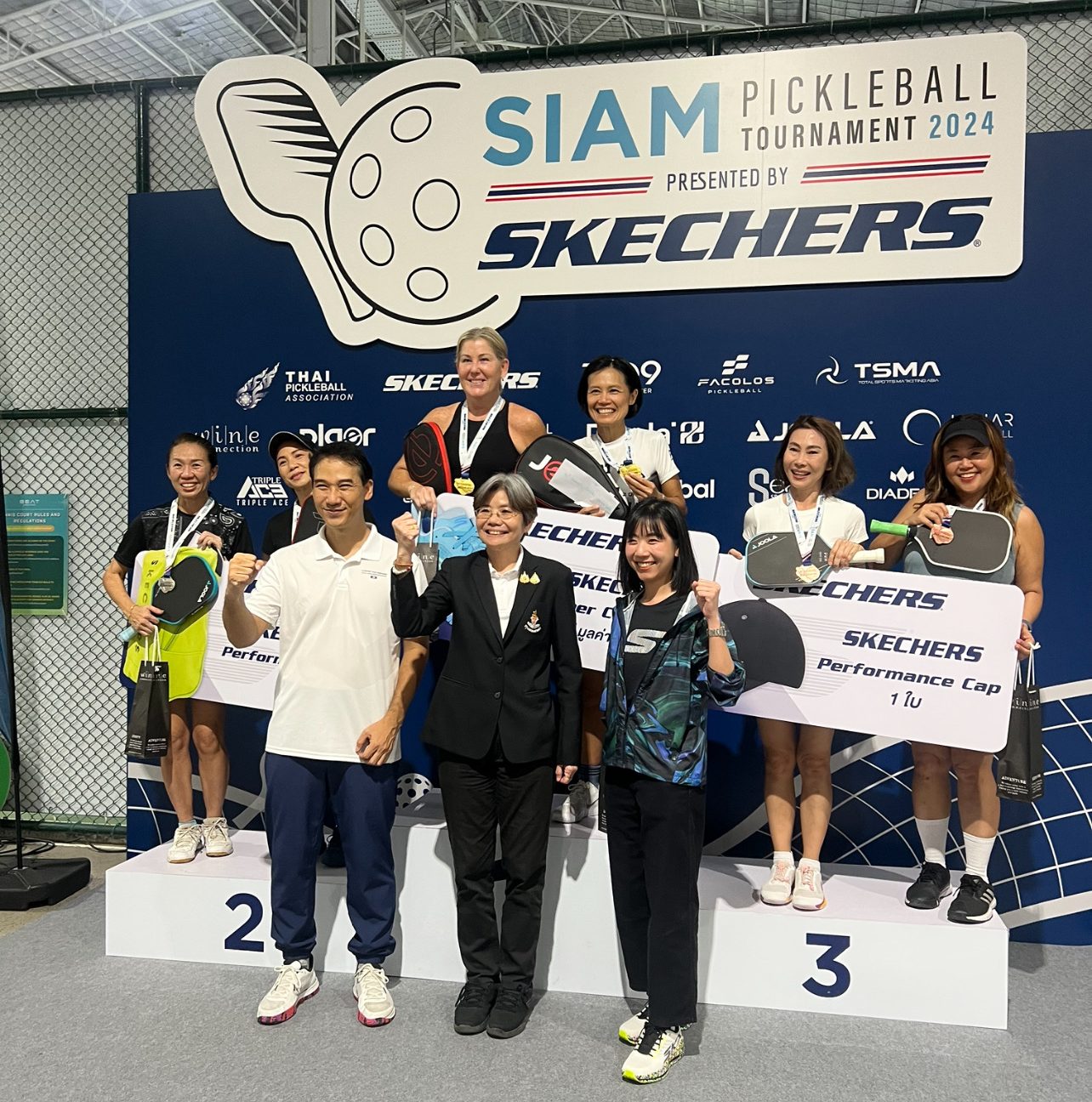
“After that, we did the WPC in Hong Kong, then we went to Thailand. I played at D-Joy in Vietnam as well. We spent about eight weeks on the road in Asia. We basically went, ‘Where’s there a tournament? Let’s go.'”
Just over a year after discovering the sport, Jeanette has now played in countries she could’ve only dreamed of visiting at one point.
“I’ve made such wonderful friends all over Asia now, so I’m really fortunate. I’ve gone to India and called matches at the World Pickleball League, I’ve met a load of European players… It’s just been unbelievable.”
Jeanette has taken a bit of a break from Australian tournaments this year, but she already has a few international ones in the pipeline — Malaysia, China, Japan, Hong Kong, and England, with more sure to be added to that list. While the tournaments are fun to participate in, what keeps her coming back is the continued sense of community.
“Nothing brings people together more than travelling to another country. It’s a sense of calm and familiarity in some unknown situations.”
Breaking new ground as a female commentator
Jeanette is the first woman featured in the People of Pickle series, and I can’t think of a more fitting trailblazer to help us broaden the lens on who shapes this sport.
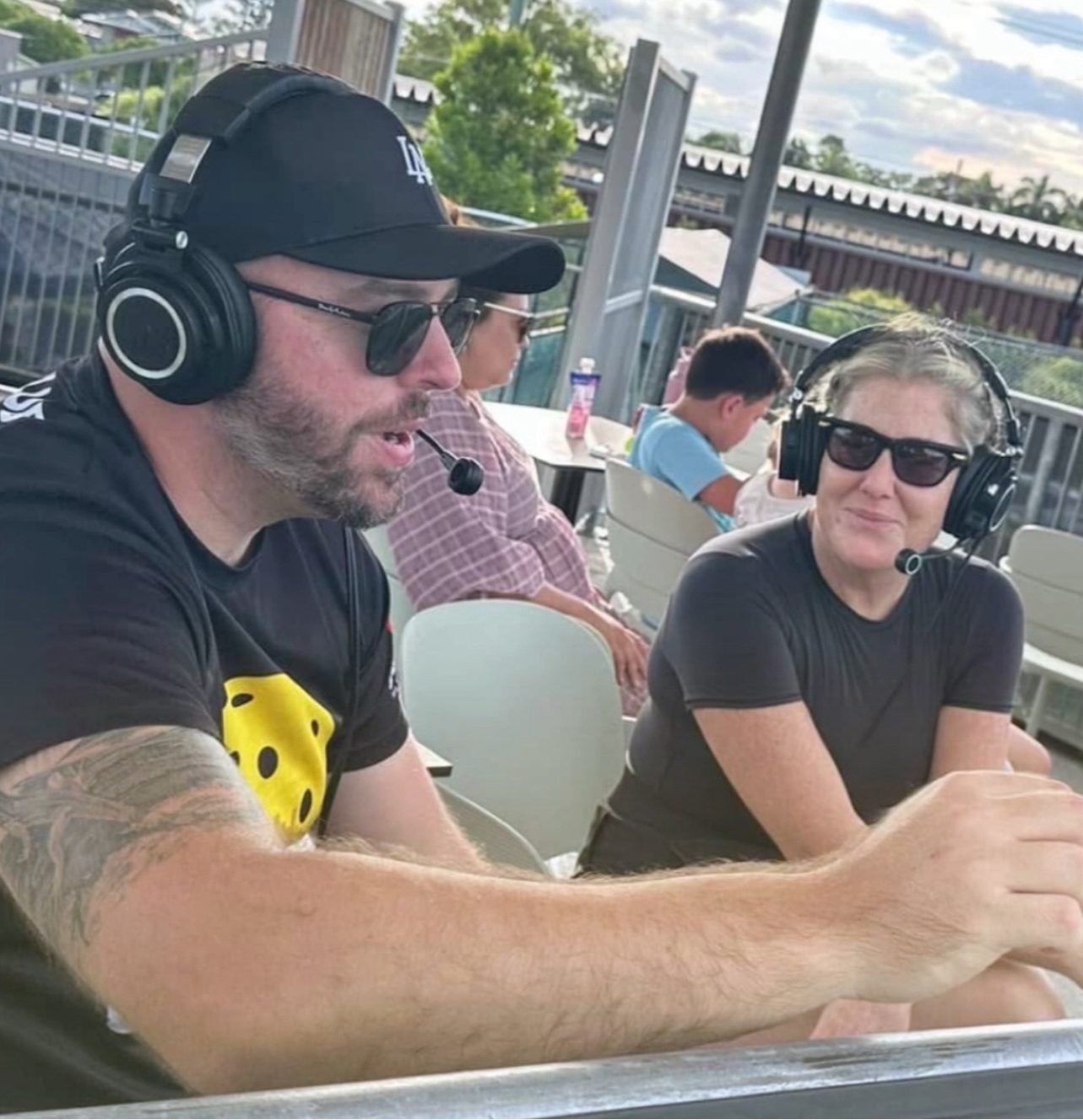
Her involvement quickly expanded beyond playing. She began helping to organise local tournaments, and eventually, she met Dylan Kimlin — the iconic voice of Australian pickleball commentary. In a space mostly dominated by men, she brings a fresh and authentic voice.
“I was at one of the Master’s tournaments down at the Gold Coast. I was just sitting there chatting and Dylan turns to me and says, ‘Have you ever thought about commentating?’ so I sort of dipped my little toe in it at one of the Standout competitions.”
She continued her regular club and tournament play alongside commentating until she was diagnosed with rheumatoid arthritis in her hands, eventually spreading to her legs.
“When someone’s going through grief, they’re constantly fighting walls. I faced some rejection in my pickleball community, and I took it hard. My hands just started playing up, and unfortunately, I couldn’t play to the best of my abilities anymore.”
Like any growing sport, pickleball isn’t without its challenges. Jeanette has seen both the good and the not-so-good—ranging from incredible community support to moments of exclusion and tension. But through it all, her belief in the game’s potential to unite and uplift has never wavered.
Jeanette is on the mend now, but in the meantime, has transitioned her focus to commentary, bringing a female voice of representation. She said something that struck me about the gift that calling amateur matches can be.
“I do a lot of the commentary for the Master’s space now as well, and it is invaluable for those players,” she says. “Even a 2.5-3.5 level, to have their games called and analysed, means they can watch it back and learn so much. I’ve had such amazing feedback from it. They tell me they watch those matches back four to five times to see where they can improve.”
Providing analysis in the commentary booth is a simple way to give back to the pickleball community. Jeanette encourages experienced players to jump into the booth, even just for one or two games, and help the commentary team out.
“It’s something we sort of take for granted. You think it’s just something that happens in the background, and at the pro level, you sort of expect that your matches will be called, but for the amateur level, it’s a real value-add. We talk about how we can build the community — that’s a definite way.”
“Being a female commentator means bringing a different perspective,” Jeanette says. “It’s a different way of relaying information. Everyone has a different eye for something and communicates it differently. I just believe in the sport and I like to share it with people at home because we can’t always come out to watch in person. Being part of the growth of the sport is pretty exciting for me,” she says.
A juicy little take
Of course, no People of Pickle is complete without asking for a pickleball hot take! Jeanette had to think hard about this one, but here’s what came to mind:
“DUPR might be a load of crap in Australia,” she giggles. “Especially in the provincial space. Someone can go to a leisure centre, self-register as a 4.0 DUPR, and then play local DUPR-eligible events so their rating goes higher and higher. It’s hard to change that because then you’re playing against others with high DUPRs as well. DUPRs here are just so inflated in the amateur space. Eventually, it will even itself out, but while the system is getting its legs in Australia… It’s going to take a while.”
What do we think?! Spicy or mild for this one?
Jeanette’s tips for pickleball commentary
When it comes to commentating a match, Jeanette reminds us that they’re there to do a job.
“One of the hardest things is trying not to get too excited about rallies. It can just take your breath away sometimes! Sometimes I throw my hands up and I’m like ‘Oh, my gosh.’ The commentary has the best seat in the house, but you just don’t know what’s going to come next. We’re watching it live just like everyone else.”
To do the job well, there are a few tips to keep in mind:
- Build your knowledge: Watch matches, learn the rules, and study player styles. Jeanette likes to talk to the athletes and find out a few extra little bits about them
- Practice your voice: Commentate games with friends or record yourself to improve clarity and pacing
- Focus on storytelling: Share player backgrounds, strategies, and moments that make the game memorable
- Stay authentic: Let your personality shine through, and don’t be afraid to make mistakes
- Volunteer: Offer to commentate at smaller events to gain experience
Pickleball’s rise in Australia owes so much to passionate people like Jeanette Ward Quinn, and her journey shows how the sport can be more than competition. It can be connection, healing, bonding and opportunity.
There’s a place for everyone in Australia’s growing pickleball story. Step onto the court, find your role, and share your love for the game.
Tati
This is just one of many stories worth showcasing. To meet more players, pioneers and personalities shaping the sport in Australia, be sure to explore the full People of Pickle series. And if an exemplary pickle person comes to mind that you believe should be featured, let us know at hello@beyondthecourt.au!